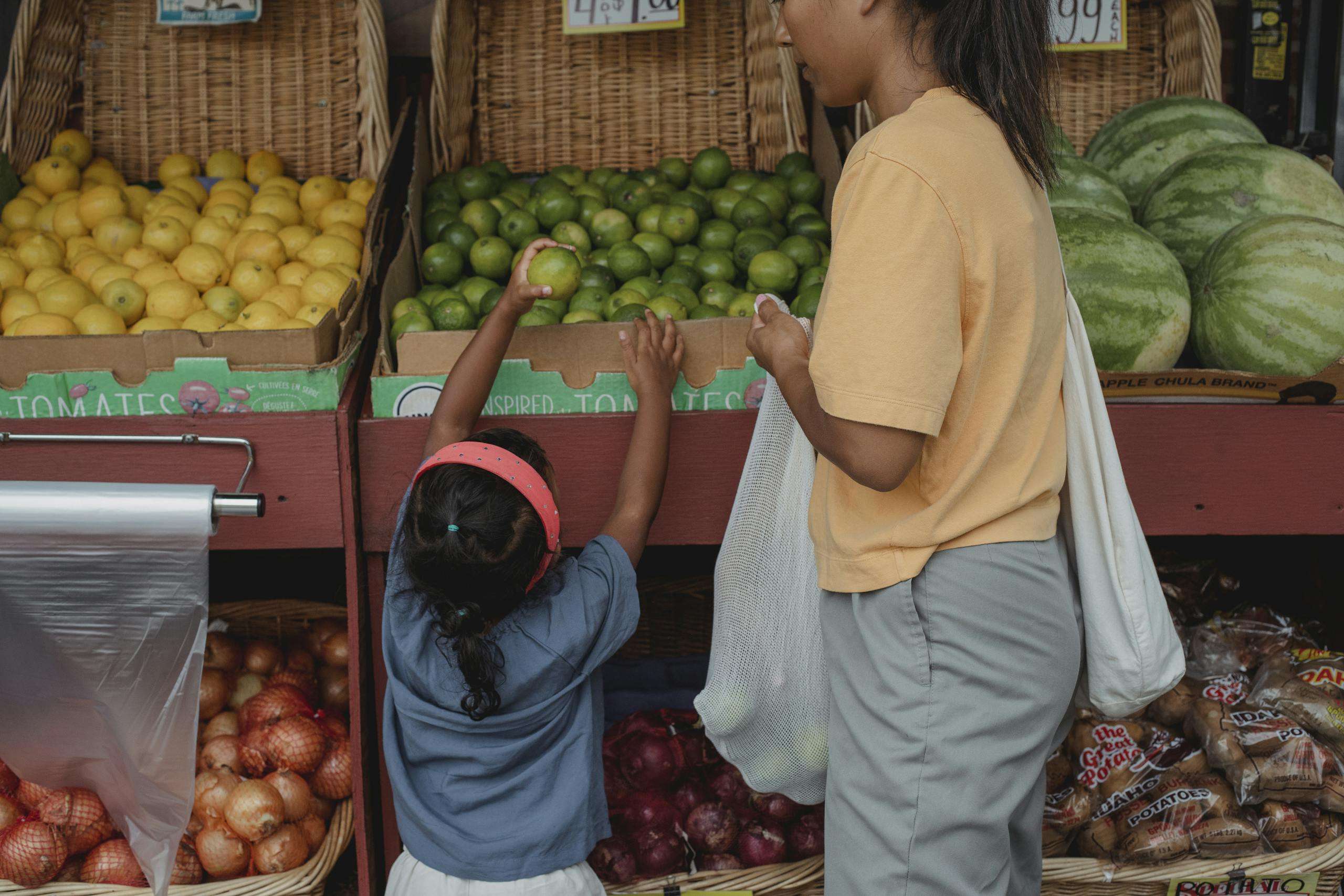
I used to treat errands like obstacles placed between me and “real life.” Grocery runs, post office lines, pharmacy stops—they felt like interruptions, necessary friction I wanted to get through as quickly as possible. My body would tense the moment I grabbed my keys, already planning shortcuts, mentally checking items off a list before I’d even stepped outside. Somewhere along the way, I realized how often I was physically present in these moments but mentally elsewhere, living three steps ahead of myself.
That realization didn’t come during meditation or on vacation. It came in the frozen food aisle of a small neighborhood store, standing under harsh lighting, staring at shelves I’d walked past hundreds of times. I caught my reflection in the freezer door and thought: I’m rushing, but I don’t actually know why. There was nowhere urgent to be. Nothing dramatic waiting on the other side of this errand. Just another ordinary afternoon.
So I decided to experiment—not with productivity, but with attention. What would happen if I stopped trying to escape errands and instead allowed them to unfold at their own pace?
The first change was physical. I stopped listening to fast, distracting audio when I ran errands. No podcasts designed to optimize my brain, no background noise meant to make time disappear. Sometimes I walked in silence; other times I played slow, instrumental music that didn’t demand interpretation. The world immediately felt louder, but also clearer. I began noticing the rhythm of footsteps on pavement, the way shopping carts rattled differently depending on how full they were, the low hum of refrigerators and cash registers working steadily in the background.
Errands, I realized, have their own texture. The post office smells faintly of paper and dust. The grocery store has a temperature shift that’s almost comforting after being outside. Even the act of waiting—so often framed as wasted time—has a strange neutrality when you stop resisting it. Waiting is just standing still in the middle of your day, whether you like it or not.
I started approaching errands the way I might approach a walk with no destination. Instead of rushing to the nearest store, I’d choose one a little farther away. Instead of driving automatically, I’d walk when possible. I carried a reusable canvas tote that felt good in my hands, one I’d ordered on Amazon after getting tired of flimsy bags cutting into my fingers. It wasn’t a life-changing object, but it anchored the ritual. Packing it, folding it, placing items inside—it made the errand feel intentional rather than chaotic.
What surprised me most was how quickly my inner dialogue softened. When I wasn’t rushing, my thoughts didn’t pile on top of each other. I could feel my breath settle. Even small decisions—choosing apples, picking between brands—became tiny moments of presence instead of mental noise. I noticed how often I’d been treating these moments as insignificant, as if life only started once the list was complete.
Over time, errands became places where my mind gently wandered instead of scattered. I’d observe strangers without inventing stories about them. A woman counting coins carefully at the register. A tired cashier who perked up when someone said thank you. A child sitting inside a shopping cart, staring at the ceiling as if it held some great secret. These scenes didn’t need interpretation. They simply existed, and so did I.
One afternoon, while walking back from the pharmacy, I realized that errands had quietly become one of the few spaces in my week where I wasn’t performing anything. At work, I present versions of myself. At home, I manage routines. Online, I curate. But during errands, I’m just a person moving through shared space, anonymous and unremarkable in the best possible way. There’s freedom in that.
I also noticed how much my body appreciated the shift. Instead of clenching my jaw and shoulders, I let myself move slower. I stood in line without checking my phone every five seconds. I felt my feet inside my shoes, the weight of items in my bag. These sensations grounded me more effectively than any formal mindfulness practice I’d tried. Presence didn’t require silence or incense; it required permission.
Of course, not every errand became poetic. Some days were still rushed, some lines still too long. But even then, I had a reference point. I knew what it felt like to move through errands with softness, and that knowledge changed how quickly frustration escalated. When impatience appeared, I could notice it rather than become it.
I began treating errands as transitions rather than chores—spaces between obligations where I could reset. On busy days, a simple grocery run became a decompression chamber. On quiet days, it became a way to engage gently with the world without overcommitting to it. I stopped bundling errands aggressively and started spacing them out, allowing each one to stand on its own.
Small habits supported this shift. Carrying a thermos with tea or water made walks feel less utilitarian and more companionable. Wearing comfortable shoes—ones I’d originally bought on eBay for travel but now reserved for daily movement—changed my posture and patience entirely. These objects weren’t solutions; they were invitations. They made it easier to treat errands as moments worth inhabiting.
What changed most, though, was how I measured the value of my time. I stopped dividing my day into “productive” and “wasted.” Errands lived somewhere else entirely. They became part of the fabric of living, neither highlights nor burdens. Just movement, choice, observation. Just life happening at a human pace.
Now, when I head out to run errands, I don’t brace myself. I leave a little earlier. I walk a little slower. I let myself be bored, curious, distracted by light on windows or the sound of a door closing behind me. I don’t try to turn errands into something extraordinary. I let them remain ordinary—and in doing so, they become quietly meaningful.
There’s a strange intimacy in these moments we usually rush through. They remind me that mindfulness doesn’t require retreat or transformation. Sometimes it’s as simple as standing in line, holding a bag of groceries, breathing, and realizing: this counts too.